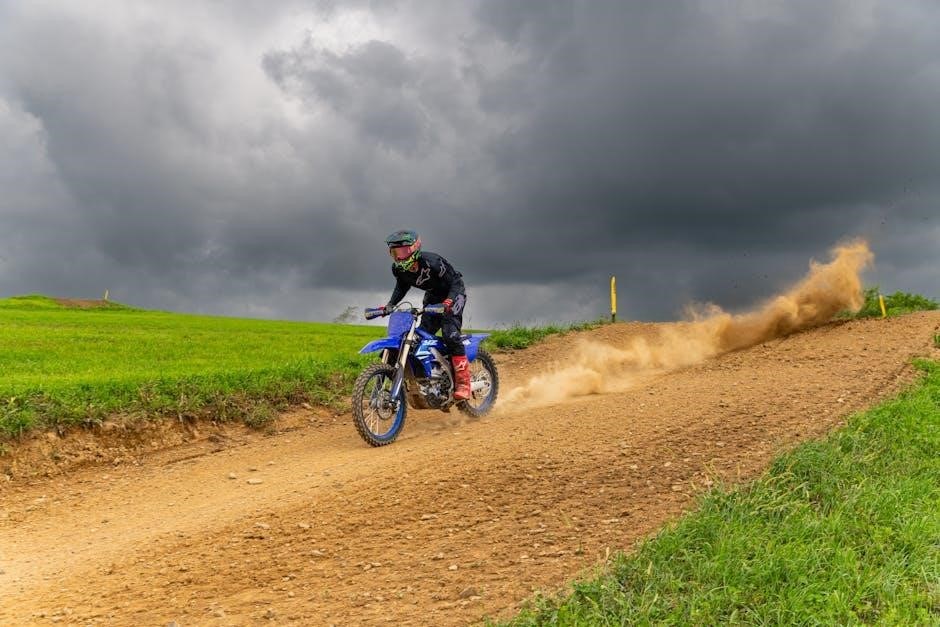
Manual dirt bikes offer a raw, connected riding experience, demanding skill and control for optimal performance on challenging terrains․ These bikes,
unlike their automatic counterparts, require riders to actively manage gear selection via a clutch and throttle, fostering a deeper understanding of the machine․
Choosing a manual transmission provides superior control over power delivery, enabling precise adjustments for varied obstacles and conditions․ This translates to enhanced maneuverability,
allowing experienced riders to tackle technical trails and maximize their dirt biking potential, as highlighted by discussions within the dirt bike community․
What is a Manual Dirt Bike?
A manual dirt bike fundamentally differs from automatic models by requiring the rider to manually control gear changes using a clutch lever and foot-operated gear shifter․ This system necessitates a coordinated effort between hand and foot, demanding a higher skill level and offering a more engaging riding experience․ Unlike automatic transmissions that handle shifting for you, manual bikes place the power – and responsibility – directly in the rider’s hands․
Essentially, a manual dirt bike operates on the same principles as a standard motorcycle or car with a manual transmission․ The clutch disengages the engine from the transmission, allowing for smooth gear transitions․ This control is crucial for navigating diverse terrains, from steep inclines to loose sand, enabling riders to select the optimal gear for power and traction․ The inherent challenge fosters a deeper connection with the machine, rewarding skillful operation with enhanced control and performance․
Why Choose a Manual Transmission?
Opting for a manual transmission on a dirt bike delivers a level of control and connection unmatched by automatic systems․ Riders gain precise command over power delivery, tailoring it to the specific demands of the terrain․ This is particularly vital when tackling challenging obstacles, requiring instant gear adjustments for optimal traction and maneuverability․ The ability to “feel” the engine and respond accordingly elevates the riding experience․
Furthermore, manual transmissions often prove more durable and simpler to repair than their automatic counterparts, a significant advantage considering the rugged nature of dirt biking․ While requiring a steeper learning curve, mastering a manual clutch unlocks a greater potential for skill development and a more rewarding ride․ Experienced riders often prefer the direct engagement and nuanced control a manual system provides, allowing for a truly personalized riding experience․
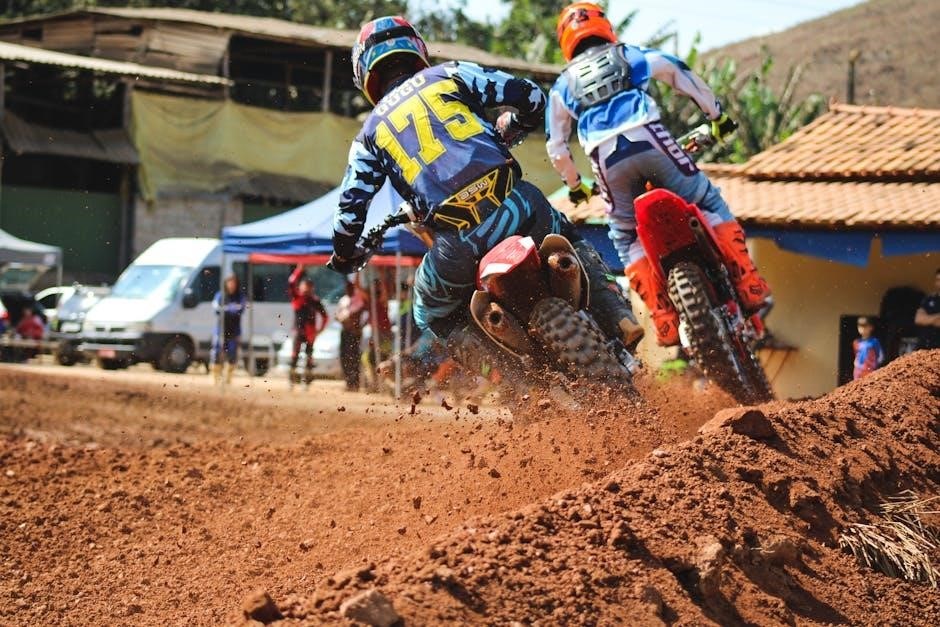
Essential Components of a Manual Dirt Bike
Dirt bikes rely on a complex interplay of engine, clutch, gearbox, and throttle systems, all working in harmony to deliver power and control to the rider․
Engine Basics
Dirt bike engines are typically four-stroke, single-cylinder powerhouses, though two-stroke engines are still prevalent, especially in older or competition-focused models․ These engines prioritize a broad powerband and lightweight construction for optimal performance on varied terrain․ The engine’s core function is converting fuel into mechanical energy, driving the rear wheel via the transmission․
Oil is absolutely critical; it’s the lifeblood, lubricating internal components to minimize friction and prevent wear, as emphasized by maintenance guides․ Displacement varies significantly, ranging from 125cc for smaller bikes to 450cc or larger for more powerful machines․ Compression ratio, valve timing, and porting all influence the engine’s characteristics, impacting its power delivery and responsiveness․ Regular maintenance, including oil changes, is paramount to ensure longevity and peak performance․
Clutch System Explained
The clutch is the vital link between the engine and the transmission in a manual dirt bike, allowing the rider to smoothly engage and disengage power․ It consists of clutch plates bathed in oil, which are pressed together by springs when the lever is released․ Pulling the clutch lever separates these plates, interrupting power flow․
Mastering clutch control is fundamental to riding a manual dirt bike effectively․ Proper technique involves coordinating the clutch lever with the throttle and gear selector for seamless shifts․ Clutch slippage, where the plates don’t fully engage, can reduce power and generate heat․ Adjusting the clutch cable ensures correct operation․ Regular inspection and maintenance, including cable lubrication, are crucial for reliable performance and preventing issues during rides․
Gearbox and Transmission
The gearbox and transmission work in tandem to translate the engine’s power into usable torque for varying terrains and speeds on a manual dirt bike․ Typically, dirt bikes feature a 4- to 6-speed sequential manual transmission, meaning gears are selected in a specific order․
Each gear ratio provides a different balance between engine RPM and wheel speed․ Lower gears offer more torque for climbing and navigating obstacles, while higher gears are suited for faster, flatter sections․ Smooth and precise gear changes are essential for maintaining momentum and control․ Understanding how to ‘feel’ the engine and anticipate gear needs is key․ Regular inspection for worn gears and proper lubrication are vital for optimal performance and longevity․
Throttle and Carburetion/Fuel Injection
The throttle controls the amount of air entering the engine, directly impacting power output․ Precise throttle control is paramount for navigating technical terrain and maintaining traction on a manual dirt bike․ Modern dirt bikes increasingly utilize fuel injection systems, replacing traditional carburetors․
Fuel injection delivers a precisely metered fuel-air mixture, optimizing performance and efficiency․ Carburetors, while simpler, require careful tuning to achieve the correct mixture․ Both systems demand regular maintenance – clean fuel filters, properly adjusted carburetors, or functioning fuel injectors are crucial․ A responsive throttle and well-tuned fuel delivery system are fundamental to a smooth and powerful riding experience, ensuring optimal engine performance․

Pre-Ride Inspection Checklist
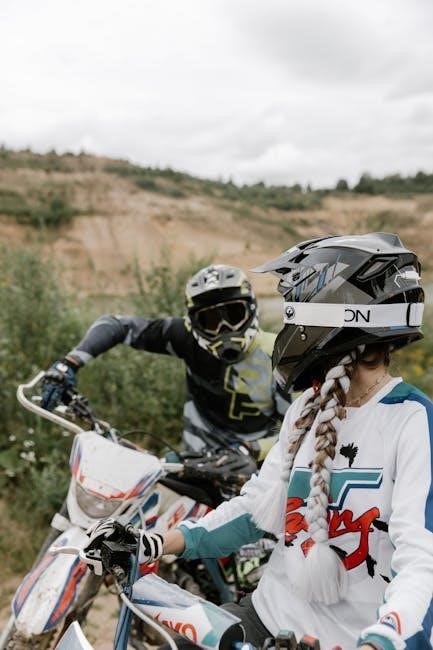
Before each ride, a thorough inspection is vital for safety and performance․ Checking tires, chain, fluids, and brakes ensures a smooth, trouble-free experience․
Consistent pre-ride checks, as emphasized in dirt bike maintenance guides, prevent unexpected mechanical failures and keep your bike trail-ready for optimal enjoyment․
Tire Pressure and Condition
Maintaining correct tire pressure is paramount for optimal handling and rider safety on a manual dirt bike․ Under-inflated tires increase the risk of pinch flats, especially when navigating rocky terrain, while over-inflated tires reduce traction and ride comfort․
Always consult your dirt bike’s manual or the tire sidewall for the recommended pressure range, adjusting based on rider weight, terrain, and riding style․ Before each ride, use a reliable pressure gauge to verify inflation levels․
Beyond pressure, inspect tires for cuts, bulges, or embedded objects․ Check tread depth; worn tires significantly compromise grip․ Look for uneven wear patterns, which could indicate suspension issues or improper alignment․ Regularly inspect valve stems for damage and ensure they are securely seated․ Proper tire maintenance extends tire life and enhances overall performance․
Chain Tension and Lubrication
Proper chain maintenance is crucial for the longevity and efficient power transfer of a manual dirt bike․ A chain that is too tight strains the drivetrain, while a chain that is too loose can derail or cause damage to the sprockets․
Check chain tension regularly – typically before each ride – by measuring the deflection midway between the sprockets․ Consult your owner’s manual for the specified tension range․ After adjusting, ensure the chain runs smoothly and aligns correctly․
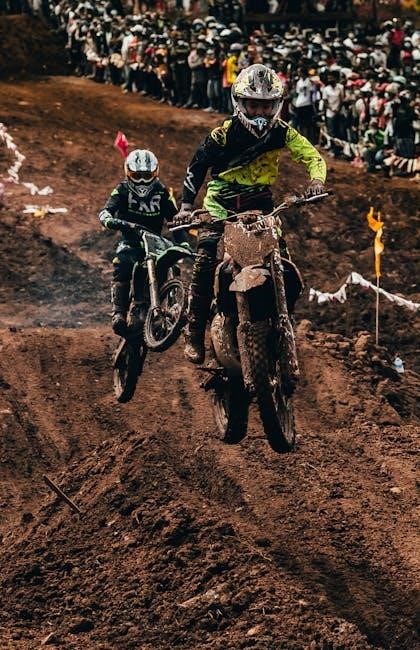
Lubrication is equally vital․ Use a chain-specific lubricant to reduce friction, prevent rust, and minimize wear․ Apply lubricant evenly along the entire chain length, then wipe off excess․ Regular cleaning and lubrication significantly extend chain and sprocket life, ensuring optimal performance․
Fluid Levels (Oil, Coolant, Brake Fluid)
Maintaining correct fluid levels is paramount for a manual dirt bike’s reliable operation․ Engine oil is the lifeblood, requiring regular checks and changes as outlined in your owner’s manual․ Low oil levels lead to catastrophic engine damage, while overfilling can cause performance issues․
Coolant levels, if your bike is liquid-cooled, must also be monitored․ Ensure the coolant reservoir is filled to the appropriate mark, using the recommended coolant type․ Brake fluid is critical for stopping power; check the reservoir and top up as needed, avoiding air bubbles․
Regularly inspecting and maintaining these fluid levels prevents costly repairs and ensures safe, optimal performance on the trails․ Always refer to your bike’s specific guidelines․
Brake Lever and Cable Inspection
A thorough inspection of the brake lever and cable is crucial for safety on a manual dirt bike․ Begin by checking the lever for smooth operation and adequate free play․ Excessive play indicates cable stretch or wear, requiring adjustment or replacement․
Visually inspect the brake cable along its entire length for fraying, kinks, or corrosion․ Damaged cables must be replaced immediately to prevent failure․ Ensure the cable moves freely within its housing, lubricating if necessary․
Examine the brake lever itself for cracks or bends․ A compromised lever can break during use, leaving you without braking ability․ Prioritize brake system maintenance for confident control and a safe riding experience․
Basic Maintenance Procedures
Regular maintenance is vital for a manual dirt bike’s longevity and performance․ Key tasks include oil changes, air filter cleaning, and chain upkeep,
ensuring smooth operation and preventing costly repairs, as emphasized by expert guides․
Oil Change – A Step-by-Step Guide
Performing regular oil changes is arguably the most crucial maintenance task for your manual dirt bike, directly impacting engine health and longevity․ Begin by warming the engine slightly for improved oil flow․ Locate the oil drain plug, typically on the engine’s lower side, and position a drain pan underneath․
Carefully remove the drain plug, allowing the old oil to fully drain․ Inspect the drain plug for any metal shavings, indicating potential internal wear․ Once drained, replace the drain plug with a new crush washer, tightening it to the manufacturer’s specified torque․
Next, locate the oil filter and remove it using an appropriate filter wrench․ Lightly lubricate the rubber gasket of the new oil filter with fresh oil before installing it hand-tight, then an additional half-turn with the wrench․ Finally, add the recommended amount of fresh oil, checking the level with the dipstick or sight glass․
Air Filter Cleaning and Replacement
Maintaining a clean air filter is vital for optimal engine performance and preventing premature wear on your manual dirt bike․ After each ride, or more frequently in dusty conditions, inspect the air filter for dirt and debris․ Remove the air filter, typically located inside the airbox, and assess its condition․
If the filter is lightly soiled, gently tap it to remove loose dirt, or use compressed air – blowing from the inside out․ For heavily soiled filters, wash them with a specialized air filter cleaner and oil․ Allow the filter to dry completely before re-oiling with air filter oil, ensuring even coverage․
If the filter is damaged or excessively worn, it’s time for a replacement․ Install the clean or new filter into the airbox, ensuring a proper seal to prevent dirt ingestion․ A clean air filter ensures adequate airflow, maximizing power and protecting your engine․
Spark Plug Inspection and Replacement
Regular spark plug inspection is crucial for maintaining optimal combustion and engine performance on your manual dirt bike․ Remove the spark plug using a spark plug socket and inspect the electrode for wear, fouling, or damage․ A healthy spark plug should have a tan or light gray color․
Black, oily deposits indicate a rich fuel mixture, while white or blistered electrodes suggest a lean condition․ Clean a fouled plug with a wire brush, but replace it if the electrode is significantly worn or damaged․ Always gap the new spark plug to the manufacturer’s specifications using a spark plug gapping tool․
Properly gapped and functioning spark plugs ensure efficient ignition, contributing to smooth starting, consistent power delivery, and reduced fuel consumption․ Replacing worn spark plugs proactively prevents potential engine issues․
Chain Cleaning and Lubrication – Detailed Instructions
Maintaining your dirt bike’s chain is vital for smooth power transfer and longevity․ Begin by thoroughly cleaning the chain with a dedicated chain cleaner and a stiff brush, removing all dirt, grime, and old lubricant․ Avoid harsh solvents that can damage the O-rings․
After cleaning, ensure the chain is completely dry before applying chain lubricant․ Apply lubricant evenly along the entire length of the chain, rotating the rear wheel to ensure full coverage․ Wipe off any excess lubricant to prevent dirt accumulation․
Regular cleaning and lubrication – ideally after every ride or two – minimizes wear, reduces friction, and extends the chain’s lifespan, contributing to a more enjoyable and reliable riding experience․
Advanced Maintenance & Tuning
Refining performance demands expertise; suspension tuning, valve clearance checks, and carburetor adjustments optimize a manual dirt bike for peak handling and power output․
These advanced procedures require specialized tools and knowledge, ensuring your bike responds precisely to your riding style and terrain challenges․
Suspension Tuning for Optimal Performance
Suspension tuning is crucial for maximizing a manual dirt bike’s handling and rider comfort․ It’s not a one-size-fits-all process; adjustments depend heavily on rider weight, skill level, and the terrain encountered․ Begin by understanding the basic adjustments: compression damping, rebound damping, and spring preload․
Compression damping controls how quickly the suspension compresses, impacting how the bike absorbs bumps․ Increasing compression is beneficial for harder landings or rough terrain, while decreasing it improves small bump compliance․ Rebound damping governs how quickly the suspension extends after compression․ Too little rebound causes a “pogo” effect, while too much can pack the suspension down․
Spring preload adjusts the initial stiffness of the suspension․ More preload is needed for heavier riders or when carrying extra gear․ Careful adjustments, often in small increments, are key to finding the sweet spot․ Resources suggest focusing on getting the sag (suspension compression under the bike’s weight) correct as a starting point, then fine-tuning from there;
Clutch Cable Adjustment
Clutch cable adjustment is vital for smooth gear changes and optimal performance on a manual dirt bike․ Incorrect adjustment can lead to clutch slippage, difficulty finding neutral, or a clutch that feels excessively stiff․ The goal is to maintain a small amount of free play at the lever, typically between 1/8 and 1/4 inch․
To adjust, locate the cable adjuster barrel on the clutch lever and the cable itself near the engine․ Loosen the locknut on the adjuster barrel, then turn the barrel to increase or decrease cable tension․ After each adjustment, check the free play at the lever․ Ensure the cable isn’t too tight, as this can cause the clutch to drag․
Regularly checking and adjusting the clutch cable is essential, especially after riding in muddy or dusty conditions․ A properly adjusted clutch ensures efficient power transfer and prolongs the life of your clutch components, contributing to a more enjoyable riding experience․
Valve Clearance Checks
Valve clearance checks are a crucial, though often overlooked, aspect of manual dirt bike maintenance․ Proper valve clearances ensure optimal engine performance, efficiency, and longevity․ Incorrect clearances can lead to reduced power, difficult starting, and even severe engine damage over time․
This process involves measuring the gap between the valve stems and the rocker arms or camshaft lobes․ Specifications vary by bike model, so consult your owner’s manual for precise values․ Typically, shims are used to adjust the clearance, requiring removal of the valve cover and camshaft․
Regular checks, usually every 10-20 hours of riding, are recommended․ While it’s a more involved procedure, maintaining correct valve clearances is a proactive step towards preventing costly repairs and maximizing your dirt bike’s performance potential․
Carburetor/Fuel Injection System Maintenance
Maintaining the carburetor (older bikes) or fuel injection system (newer bikes) is vital for consistent engine performance in manual dirt bikes․ Carburetors require periodic cleaning to remove debris and varnish buildup, ensuring proper fuel delivery․ This involves disassembly, jet cleaning, and inspection of floats and needles․
Fuel injection systems, while more complex, demand attention to the fuel filter, throttle position sensor (TPS), and injector cleanliness․ Regularly replacing the fuel filter prevents contaminants from reaching the injectors․ Using fuel stabilizer during storage prevents fuel degradation․
For both systems, proper air filter maintenance is crucial, as a dirty air filter impacts the fuel-air mixture․ Addressing issues promptly ensures smooth operation and prevents potential engine damage, maximizing your riding enjoyment․
Troubleshooting Common Issues
Manual dirt bikes can present challenges like starting problems, clutch slippage, or shifting difficulties; diagnosing these issues promptly is key to maintaining rideability and preventing further damage․
Engine Starting Problems
Difficulty starting a manual dirt bike is a common frustration, often stemming from several potential causes․ First, check the fuel supply – ensure the fuel tank isn’t empty and the fuel valve is open․ A flooded engine, resulting from excessive throttle during starting, can also prevent ignition; allow the spark plug to dry․
Spark plug issues are frequent culprits; inspect for fouling or damage and replace if necessary․ A weak battery may not provide sufficient power to the starter, especially in colder weather․ Carburetor problems, like a clogged jet, can restrict fuel flow․ Finally, compression loss, indicating internal engine issues, requires professional attention․ Remember consistent maintenance, including fresh fuel and a charged battery, significantly reduces starting problems․
Clutch Slippage
Clutch slippage on a manual dirt bike manifests as the engine revving higher without a corresponding increase in speed, indicating the clutch isn’t fully engaging․ This often points to a worn clutch pack, where the friction plates have lost their grip․ Contaminated oil, mixed with dirt or metal particles, can also reduce friction․
Improper clutch cable adjustment, leaving insufficient slack, can cause the clutch to remain partially disengaged․ A damaged clutch basket or worn clutch springs can also contribute to slippage․ Regularly checking and adjusting the clutch cable, using fresh, high-quality oil, and replacing worn components are crucial preventative measures․ Ignoring clutch slippage can lead to further damage and costly repairs․
Gear Shifting Difficulties
Gear shifting difficulties on a manual dirt bike can range from clunky, imprecise shifts to an inability to change gears altogether․ A common culprit is an improperly adjusted clutch cable, preventing full disengagement of the clutch․ Worn shift forks or a bent shift shaft within the transmission can also hinder smooth shifting․
Low or contaminated oil can increase friction within the gearbox, making gear selection difficult․ Ensure the oil is at the correct level and is changed regularly․ A worn shift drum or damaged shift mechanism may require professional attention․ Regularly inspecting and lubricating the shift linkage, alongside proper cable adjustment, can significantly improve shifting performance and prevent further damage․
Overheating Issues
Overheating in a manual dirt bike engine is a serious concern, potentially leading to significant damage․ Insufficient coolant levels are a primary cause, requiring immediate attention and a leak check․ A faulty thermostat can restrict coolant flow, causing temperatures to spike rapidly․ A clogged radiator, often due to mud or debris, hinders heat dissipation․
Low oil levels increase friction, generating excessive heat․ Ensure proper lubrication․ Prolonged operation under heavy load, like steep climbs, can also contribute to overheating․ Regularly inspect the cooling system, including hoses and the radiator cap, for leaks or damage․ Addressing these issues promptly prevents costly repairs and ensures reliable performance․
Safety Gear and Riding Techniques
Essential protective gear – helmet, boots, gloves, and body armor – is paramount for dirt bike safety․ Mastering proper techniques, like clutch control and braking,
enhances both performance and rider protection on challenging trails․
Essential Protective Gear
Dirt bike riding, particularly with a manual transmission demanding increased focus, necessitates robust protective gear․ A DOT-approved helmet is non-negotiable, safeguarding against head injuries – the most critical concern․ Motocross boots provide ankle, shin, and foot protection, crucial for navigating uneven terrain and accidental impacts․
Gloves enhance grip and shield hands from abrasions, blisters, and impacts; Body armor, including chest protectors and roost deflectors, minimizes bruising from flying debris and potential collisions․ Knee braces offer significant joint support, reducing the risk of ligament damage during aggressive riding or unexpected falls․
Eye protection, such as goggles, is vital to prevent debris from impairing vision․ Consider a neck brace for added spinal support, especially for more advanced or aggressive riding styles․ Prioritizing this gear isn’t just about compliance; it’s about ensuring a safe and enjoyable experience on your manual dirt bike․
Proper Gear Shifting Techniques
Mastering gear shifting is fundamental to riding a manual dirt bike effectively․ Smooth transitions require coordinating clutch lever operation, throttle control, and foot lever movement․ Downshifting before corners allows for optimal engine braking and power delivery upon exit․ Briefly close the throttle, pull in the clutch, select a lower gear, and smoothly release the clutch while simultaneously rolling on the throttle․
Upshifting involves a similar process – clutch in, select the next higher gear, and smoothly release the clutch while applying throttle․ Avoid abrupt clutch dumps, which can cause wheelspin or stalls․
Practice feathering the clutch in technical sections to maintain momentum and control․ Anticipate terrain changes and pre-select the appropriate gear․ Consistent practice builds muscle memory, enabling seamless gear changes even under pressure, enhancing your overall riding experience and control on a manual dirt bike․
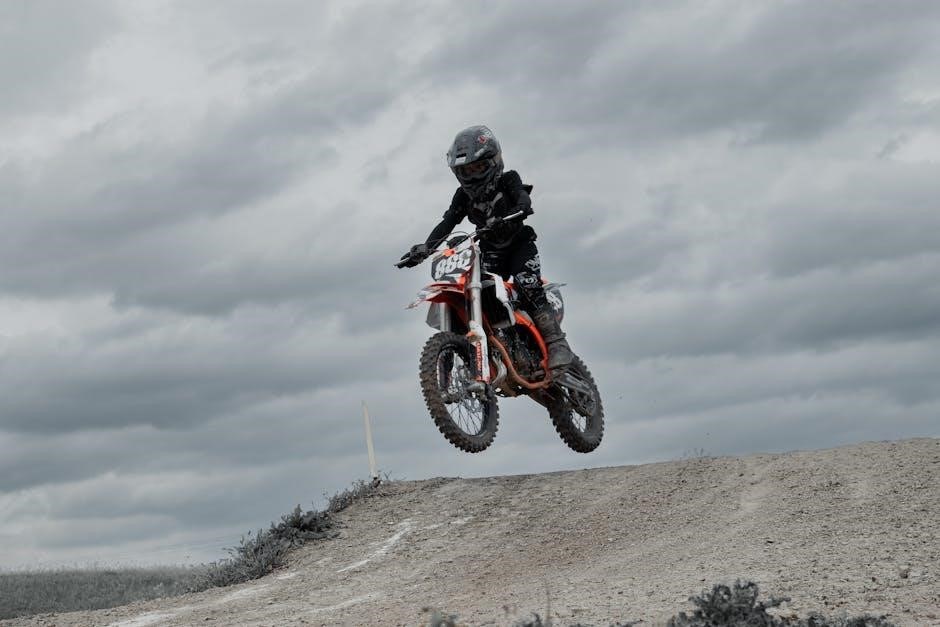
Clutch Control for Beginners
Clutch control is arguably the most challenging aspect of learning a manual dirt bike, but also the most rewarding․ Start by practicing the “friction zone” – the point where the clutch begins to engage․ Slowly release the clutch lever while applying a small amount of throttle; the bike should move forward without stalling․
Focus on smooth, progressive clutch release, avoiding abrupt engagement․ Use the clutch to modulate power, especially during slow-speed maneuvers and technical climbs․ Stalling is common initially; don’t be discouraged!
Practice starting and stopping repeatedly, focusing on finding the friction zone quickly and consistently․ Gradually increase speed and complexity as your confidence grows․ Mastering clutch control unlocks precise power delivery and significantly improves your overall riding ability on a manual dirt bike․
Braking Techniques for Dirt Bikes
Dirt bike braking differs significantly from street riding․ Utilize both front and rear brakes, with the front brake providing the majority of stopping power – around 70-80%․ Practice progressive braking, squeezing the lever smoothly rather than grabbing it abruptly, to avoid locking the front wheel․
The rear brake is crucial for controlling rear-end stability and initiating slides․ Learn to modulate both brakes independently and in combination, adapting to varying terrain and conditions․ Trail braking – slightly applying the brakes while entering a corner – can help maintain control and tighten your line․
Keep your weight balanced and centered during braking to prevent unwanted weight transfer․ Mastering these techniques enhances control, reduces stopping distances, and improves overall safety on a manual dirt bike․