Sperm Analysis Report: A Comprehensive Guide (Updated April 28‚ 2026)
A detailed sperm analysis report‚ often in PDF format‚ assesses overall sperm health‚ aiding doctors in pinpointing conception issues or confirming fertility status․
What is a Sperm Analysis?
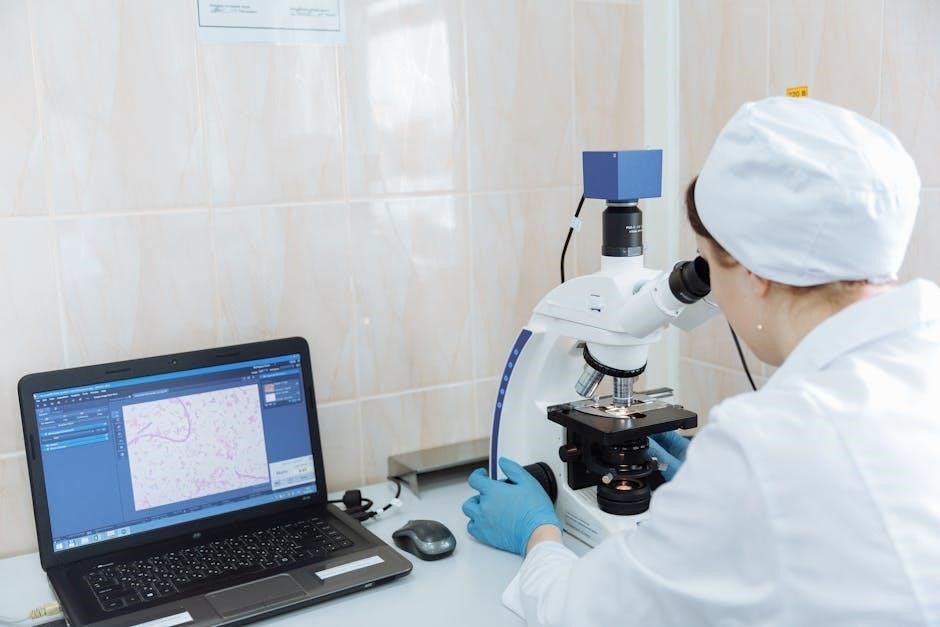
A sperm analysis‚ also known as a semen analysis or spermatogram‚ is a laboratory test evaluating various characteristics of a male’s semen and sperm cells․ This crucial diagnostic tool assesses factors impacting fertility‚ providing insights into a man’s reproductive potential․ The process involves collecting a semen sample‚ typically through masturbation‚ and submitting it to a laboratory for microscopic examination․
The analysis doesn’t simply count sperm; it meticulously examines several key parameters․ These include semen volume‚ sperm concentration (count)‚ motility – the ability of sperm to move effectively – and morphology‚ which assesses the shape and structure of individual sperm cells․ A comprehensive report‚ often delivered as a PDF‚ details these findings‚ offering a clear picture of sperm health․ Understanding these parameters is vital for identifying potential issues contributing to difficulty conceiving․
Why is a Sperm Analysis Performed?
A sperm analysis is primarily performed to investigate male infertility‚ a significant factor in approximately half of all infertility cases․ When a couple experiences difficulty conceiving‚ a semen analysis helps determine if male reproductive factors are contributing to the problem․ The detailed PDF report provides crucial information for diagnosis․
Beyond infertility‚ a sperm analysis can also be used to assess the success of a vasectomy․ Following a vasectomy‚ the test confirms the absence of sperm‚ verifying the procedure’s effectiveness․ Furthermore‚ it can identify infections or other underlying medical conditions affecting sperm production or quality․ Analyzing the report allows doctors to pinpoint the root cause of reproductive issues‚ guiding appropriate treatment strategies and improving chances of successful conception․
Preparing for a Sperm Analysis
Proper preparation is crucial for accurate sperm analysis results‚ impacting the reliability of the PDF report․ Typically‚ men are advised to abstain from sexual activity‚ including masturbation‚ for 2-7 days before the test․ This abstinence period allows for optimal sperm accumulation․
It’s also important to avoid alcohol‚ caffeine‚ and smoking for at least 24-48 hours prior․ Certain medications can affect sperm quality‚ so informing your doctor about all current medications is vital․ Additionally‚ avoid using lubricants during sample collection‚ as they can impair sperm motility and morphology․ Following these guidelines ensures the sample accurately reflects your typical sperm production‚ leading to a more dependable and informative analysis report․

Key Parameters Evaluated in a Sperm Analysis
A comprehensive PDF report details key factors like volume‚ concentration‚ motility‚ and morphology‚ providing a complete assessment of sperm health and fertility potential․
Semen Volume
Semen volume‚ a crucial parameter in a sperm analysis report PDF‚ refers to the total amount of fluid ejaculated during a single emission․ Normal semen volume‚ according to World Health Organization (WHO) 2021 criteria‚ generally falls within the range of 1․5 milliliters (mL) to 6․0 mL․
Variations outside this range can potentially impact sperm transport and fertilization capabilities․ Low semen volume‚ often termed hypospermia‚ might suggest issues with the seminal vesicles or prostate gland‚ contributing factors to fluid production․ Conversely‚ high semen volume‚ while less common‚ doesn’t necessarily indicate improved fertility․
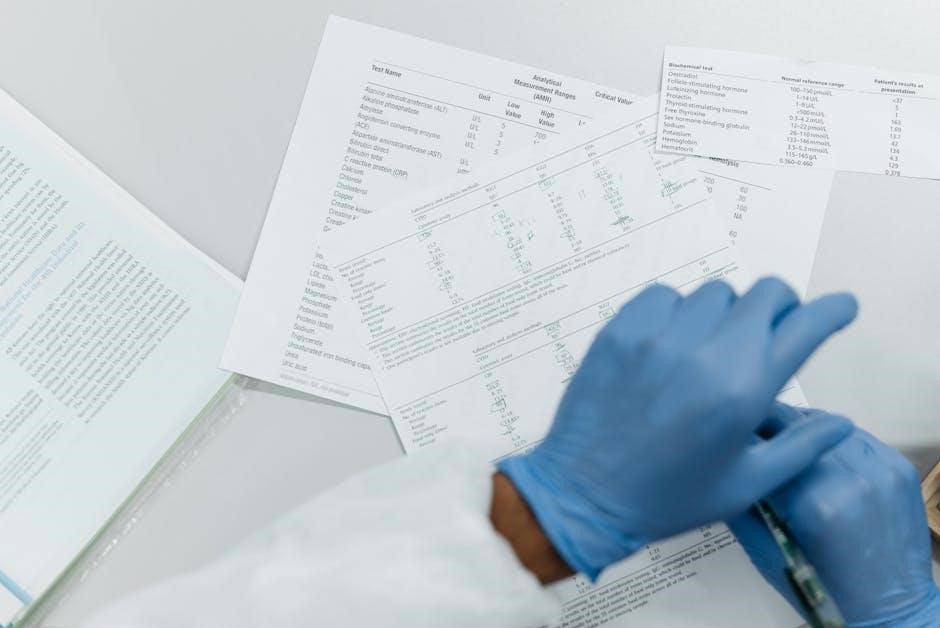
The PDF report will clearly state the measured volume‚ comparing it to the established reference range․ Accurate measurement is vital‚ as it influences the interpretation of other parameters like sperm concentration․ A detailed report will also note any unusual characteristics observed regarding the semen’s appearance or consistency․
Sperm Concentration (Sperm Count)
Sperm concentration‚ a key metric detailed in a normal sperm analysis report PDF‚ indicates the number of sperm present per milliliter (mL) of semen․ The WHO 2021 guidelines define normal sperm concentration as at least 15 million sperm/mL․ This value is fundamental in assessing a man’s potential fertility․
A PDF report will explicitly display the measured concentration‚ alongside a clear indication of whether it falls within the normal range․ Lower concentrations‚ indicative of oligospermia‚ can reduce the probability of fertilization․ However‚ concentration alone isn’t the sole determinant of fertility; motility and morphology also play critical roles․
The report may also present the total sperm count‚ derived by multiplying the concentration by the semen volume․ Understanding this parameter is crucial for a comprehensive fertility evaluation‚ providing a more holistic view of sperm quality․
Total Sperm Number
The Total Sperm Number (TSN)‚ prominently featured in a normal sperm analysis report PDF‚ represents the overall quantity of sperm in the entire ejaculate․ It’s calculated by multiplying the sperm concentration (sperm/mL) by the semen volume (mL)․ The World Health Organization (WHO) 2021 criteria establish a minimum TSN of 40 million sperm per ejaculate for normal fertility potential․
A PDF report will clearly state the calculated TSN‚ comparing it to this established threshold․ While concentration focuses on sperm density‚ TSN provides a broader assessment of reproductive capacity․ A low TSN‚ even with adequate concentration‚ can hinder fertilization chances․
Clinicians often prioritize TSN alongside other parameters‚ as it offers a more complete picture of a man’s sperm reserve and potential for successful conception․ This value is vital for interpreting the overall report findings․
Sperm Motility
Sperm motility‚ a crucial component of a normal sperm analysis report PDF‚ assesses the sperm’s ability to move effectively․ It’s not simply about movement‚ but the type of movement․ The WHO 2021 criteria categorize motility into progressive‚ non-progressive‚ and immotile․ A normal report will detail the percentage of sperm exhibiting each type․
Progressive motility – strong‚ linear movement – is most important for reaching the egg․ A PDF report will indicate if at least 32% of sperm demonstrate progressive motility․ Non-progressive motility shows movement‚ but not in a straight line‚ while immotile sperm don’t move at all․
The report provides percentages for each category‚ offering a comprehensive view of sperm movement quality‚ vital for assessing fertilization potential․
Progressive Motility
Progressive motility‚ a key indicator within a normal sperm analysis report PDF‚ refers to sperm moving actively and purposefully forward․ This isn’t just any movement; it’s a straight-line or large-arc trajectory‚ essential for navigating the female reproductive tract to reach the egg․
According to the WHO 2021 criteria‚ a normal result requires at least 32% of sperm exhibiting progressive motility․ The PDF report will clearly state the observed percentage․ This value is critical‚ as it directly correlates with fertilization potential․
A higher percentage suggests a greater likelihood of successful fertilization․ The report may further categorize progressive motility into different speeds‚ providing a more nuanced assessment of sperm swimming capability․
Non-Progressive Motility
Non-progressive motility‚ detailed in a normal sperm analysis report PDF‚ describes sperm that move‚ but not in a purposeful‚ forward direction․ These sperm exhibit movement like swimming in circles or side-to-side‚ lacking the trajectory needed to reach and fertilize an egg․
While movement is present‚ it’s functionally ineffective for conception․ The WHO 2021 criteria don’t focus on a specific percentage for ideal non-progressive motility‚ but a high proportion alongside low progressive motility is concerning․ The PDF report will show the percentage observed․

Typically‚ a healthy sample will have a relatively low percentage of non-progressively motile sperm․ This parameter‚ when considered alongside progressive motility and immotility‚ provides a comprehensive picture of sperm functionality․
Immotility
Immotility‚ as detailed within a normal sperm analysis report PDF‚ refers to sperm that show absolutely no movement․ These sperm are unable to swim and therefore cannot reach the egg for fertilization‚ representing a significant factor in potential infertility․
The World Health Organization (WHO) 2021 criteria indicate that a normal sperm sample should have less than 20% immotile sperm․ A PDF report will clearly state the percentage of immotile sperm observed during the analysis․ Higher percentages are indicative of potential issues․
While some immotility is expected‚ a substantial amount suggests underlying problems affecting sperm function․ This parameter is crucial when interpreting the overall sperm health assessment presented in the report․
Sperm Morphology
Sperm morphology‚ a critical component of a normal sperm analysis report PDF‚ assesses the shape and structure of individual sperm cells․ This evaluation is vital because abnormal morphology can hinder a sperm’s ability to penetrate the egg․
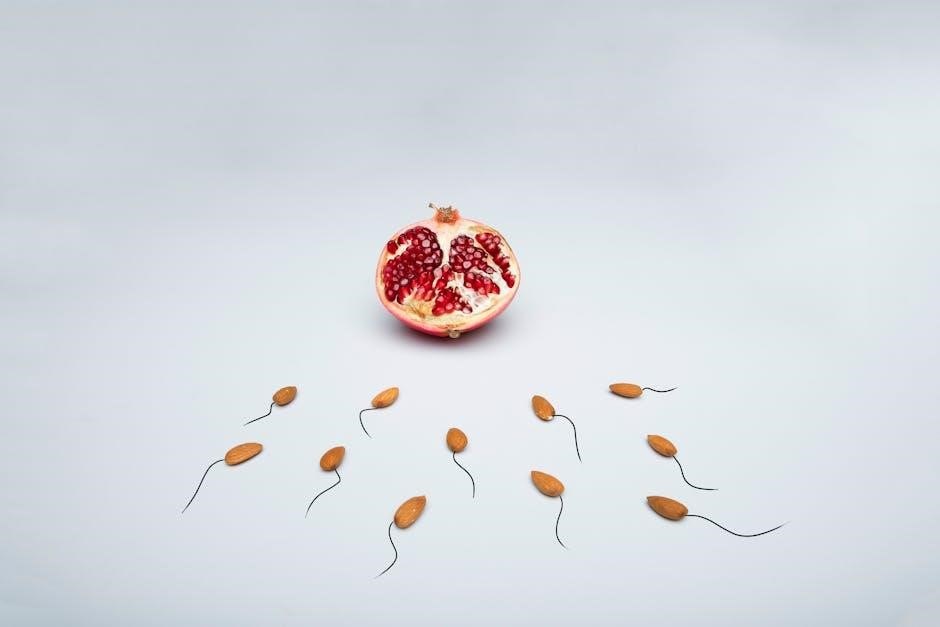
The WHO 2021 criteria stipulate that at least 4% of sperm in a sample should exhibit normal morphology․ A detailed PDF report will present this percentage‚ alongside descriptions of any observed abnormalities․ These abnormalities are categorized by defects in the head‚ midpiece‚ or tail․
A higher percentage of normally shaped sperm correlates with improved fertility potential․ The report’s morphological assessment provides valuable insight into sperm functional capacity․
Normal Morphology
Within a normal sperm analysis report PDF‚ “normal morphology” refers to sperm exhibiting a typical oval head‚ a well-defined midpiece‚ and a long‚ straight tail․ These characteristics are crucial for effective movement and successful fertilization․
According to the WHO 2021 criteria‚ a minimum of 4% of sperm in the ejaculate should demonstrate normal morphology․ The PDF report will detail the percentage of sperm meeting these standards‚ often visualized with microscopic images․ A normal morphology indicates the sperm possess the structural features necessary to navigate the female reproductive tract․
This assessment isn’t simply about numbers; it’s about functional potential․ Sperm with normal morphology are more likely to successfully penetrate and fertilize an egg․
Abnormal Morphology (Head‚ Midpiece‚ Tail Defects)
A sperm analysis report PDF meticulously details any deviations from normal sperm structure‚ categorized as head‚ midpiece‚ or tail defects․ These abnormalities can significantly impact a sperm’s ability to fertilize an egg․
Head defects include variations in size‚ shape (e․g․‚ tapered‚ pear-shaped)‚ or the presence of a droplet․ Midpiece defects involve irregularities in the connecting piece‚ potentially affecting energy production for motility․ Tail defects encompass issues like a coiled‚ bent‚ or absent tail․
The report will quantify the percentage of sperm exhibiting each type of defect․ While some abnormal forms are common‚ a high percentage can indicate reduced fertility potential․ Understanding these defects‚ as outlined in the PDF‚ is crucial for diagnosis and potential treatment options․
Sperm Vitality
A comprehensive sperm analysis report‚ typically delivered as a PDF‚ includes a vital assessment of sperm vitality – the percentage of live sperm in the sample․ This parameter distinguishes between live and dead sperm‚ providing a crucial indicator of fertilization potential․
Vitality is often determined using staining techniques; live sperm exclude certain dyes‚ while dead sperm absorb them․ The report will present the percentage of live sperm‚ a key factor alongside motility and morphology․
Low vitality can stem from various factors‚ including oxidative stress‚ infection‚ or varicocele․ A PDF report detailing low vitality necessitates further investigation to identify the underlying cause and explore potential interventions to improve sperm health and fertility outcomes․
pH Level of Semen
A standard sperm analysis report‚ commonly provided in PDF format‚ meticulously evaluates the pH level of the semen sample․ This measurement assesses the acidity or alkalinity‚ which significantly impacts sperm motility and overall functionality․
The normal pH range for semen typically falls between 7․2 and 8․0․ Deviations from this range can indicate potential issues․ A pH below 7․2 might suggest inflammation or a blockage of seminal vesicles‚ while a pH above 8․0 could indicate infection․
The PDF report will clearly state the measured pH value․ Abnormal pH levels warrant further investigation‚ as they can negatively affect sperm survival and their ability to reach and fertilize an egg․ Correcting pH imbalances is often crucial for improving fertility․
Semen Liquefaction
A comprehensive sperm analysis report‚ frequently delivered as a PDF‚ includes an assessment of semen liquefaction – the process by which semen transitions from a thick gel to a liquid state․ This is a vital component of evaluating sperm health and functionality‚ directly impacting sperm’s ability to move effectively․
Normally‚ semen liquefies within 15-30 minutes after ejaculation․ The PDF report will document the time taken for liquefaction to occur․ Delayed liquefaction‚ taking longer than 60 minutes‚ can hinder sperm motility and reduce the chances of fertilization․
Conversely‚ immediate liquefaction might also indicate issues with seminal fluid composition․ The report’s findings regarding liquefaction time help clinicians determine if further investigation into the seminal fluid’s properties is necessary to optimize fertility potential․

Understanding Your Sperm Analysis Report – The PDF Format

A typical PDF report details key sperm parameters‚ offering a clear overview of semen quality and potential fertility factors for informed discussion․
Common Reference Ranges (WHO 2021 Criteria)
According to the World Health Organization (WHO) 2021 criteria‚ a normal sperm analysis report PDF generally indicates the following reference ranges․ Semen volume should be at least 1․5 ml‚ with sperm concentration exceeding 15 million sperm per milliliter․ The total sperm number should be 39 million or greater per ejaculate․
Regarding motility‚ at least 40% of sperm should exhibit progressive motility – strong‚ straight-line swimming – and at least 60% should demonstrate any type of motility (progressive plus non-progressive)․ Morphology‚ assessed visually‚ requires at least 4% of sperm to have normal morphology․
Semen pH should fall between 7․2 and 8․0․ These ranges serve as benchmarks; variations can occur‚ and interpretation requires a healthcare professional’s expertise․ A PDF report will clearly display these values alongside the individual’s results for easy comparison․
Interpreting Abnormal Results
An abnormal sperm analysis report PDF indicates deviations from the WHO 2021 reference ranges‚ potentially impacting fertility․ Values outside the norm don’t automatically equate to infertility‚ but warrant further investigation․ Low sperm count (oligospermia) or poor motility (asthenospermia) can hinder a sperm’s ability to reach and fertilize an egg․

Abnormal morphology (teratospermia)‚ indicated by a low percentage of normally shaped sperm‚ may also affect fertilization․ A PDF report will highlight these abnormalities․ It’s crucial to remember that a single abnormal result doesn’t confirm a diagnosis; repeat testing is often recommended․
Understanding the specific abnormalities and their potential impact requires consultation with a healthcare provider who can provide personalized guidance and recommend appropriate next steps․
What if the Report Shows Oligospermia?
If your sperm analysis report PDF reveals oligospermia – a low sperm concentration – it means fewer sperm are present in the ejaculate than considered normal (below 15 million sperm/mL per WHO 2021 criteria)․ This doesn’t necessarily preclude conception‚ but it can make it more challenging․
Several factors can contribute to oligospermia‚ including hormonal imbalances‚ varicocele (enlarged veins in the scrotum)‚ infections‚ or genetic factors․ A PDF report won’t pinpoint the cause‚ but it flags the issue․ Further investigation‚ potentially including hormone testing and a physical exam‚ is essential․
Lifestyle modifications‚ such as maintaining a healthy weight‚ avoiding smoking‚ and reducing stress‚ may improve sperm count․ Medical interventions are also available‚ depending on the underlying cause․
What if the Report Shows Asthenospermia?
A sperm analysis report PDF indicating asthenospermia signifies reduced sperm motility – the sperm’s ability to swim effectively․ According to WHO 2021 standards‚ at least 40% of sperm should exhibit progressive motility․ Lower percentages suggest asthenospermia‚ potentially hindering fertilization․
Several factors can contribute to poor motility‚ including varicocele‚ infections‚ antibodies that attack sperm‚ or oxidative stress․ The PDF report itself won’t identify the specific cause‚ necessitating further diagnostic testing․ Lifestyle factors‚ like excessive heat exposure or tight underwear‚ can also play a role․
Treatment options vary depending on the cause and may include addressing underlying infections‚ lifestyle changes‚ or assisted reproductive technologies․
What if the Report Shows Teratospermia?
A sperm analysis report PDF revealing teratospermia indicates a higher-than-normal percentage of abnormally shaped sperm․ The World Health Organization (WHO) 2021 criteria state that at least 4% of sperm should have normal morphology․ A result below this threshold suggests teratospermia‚ potentially impacting fertilization․
Abnormalities can occur in the sperm head‚ midpiece‚ or tail‚ each potentially affecting its ability to reach and penetrate the egg․ Causes can include genetic factors‚ varicocele‚ infections‚ exposure to toxins‚ or lifestyle choices․ The PDF report won’t pinpoint the exact cause․
Treatment strategies depend on the severity and underlying cause‚ potentially involving lifestyle modifications or assisted reproductive technologies like ICSI․
Follow-Up Actions & Further Testing
If the PDF report reveals abnormalities‚ repeat analysis is common; further diagnostic tests may be needed to identify underlying causes and guide treatment․
Repeat Sperm Analysis
Often‚ a single sperm analysis report‚ even one appearing normal‚ isn’t definitive․ Variations can occur due to temporary factors like illness‚ stress‚ or lifestyle choices․ Therefore‚ doctors frequently recommend repeating the analysis‚ typically after a few weeks or months‚ to confirm the initial findings․

This is particularly crucial if the initial PDF report was borderline or if there are concerns about the collection process․ A second analysis helps establish a more reliable baseline and reduces the chance of misinterpreting temporary fluctuations as genuine issues․
For a normal sperm analysis report PDF‚ repeating the test ensures consistency․ If the second report mirrors the first‚ it strengthens confidence in the results and may alleviate unnecessary anxiety; However‚ if discrepancies arise‚ further investigation becomes necessary to determine the cause․
Additional Diagnostic Tests
Even with a normal sperm analysis report PDF‚ further diagnostic testing might be recommended‚ especially if conception doesn’t occur after a reasonable timeframe․ A normal report indicates adequate sperm parameters‚ but doesn’t rule out other potential fertility factors in either partner․
These additional tests can include hormonal evaluations to assess testosterone and other hormone levels‚ genetic screening to identify potential chromosomal abnormalities‚ and assessment of antisperm antibodies; A post-ejaculatory urine analysis can also detect retrograde ejaculation․
For the male partner‚ a physical examination of the reproductive organs may be performed․ For the female partner‚ tests evaluating ovulation‚ uterine health‚ and fallopian tube patency are common․ Comprehensive evaluation ensures all potential causes of infertility are addressed‚ even with a seemingly normal initial sperm analysis․