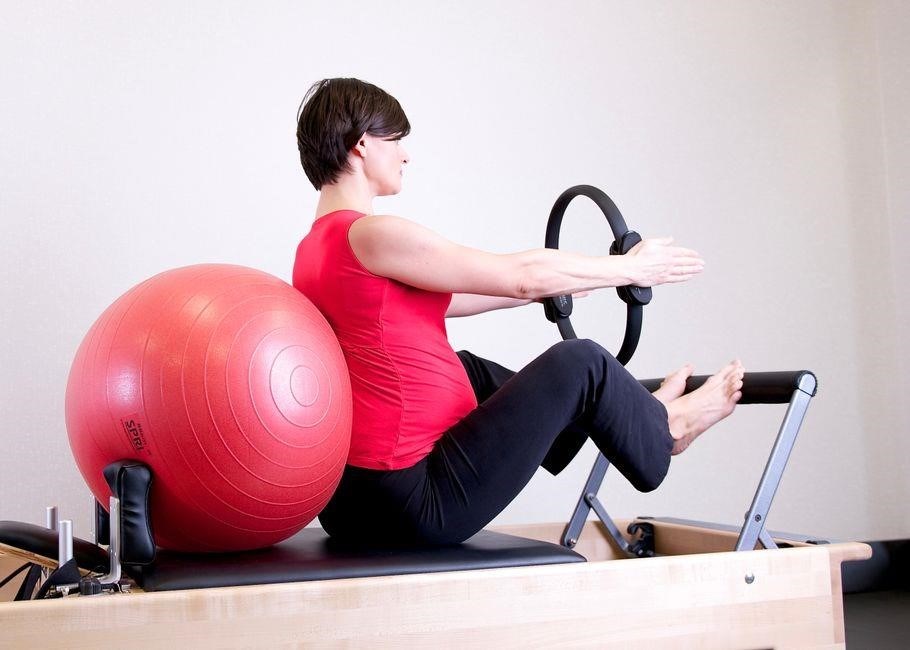
Core Stability Exercises PDF Overview
This guide details low‑back protection, core strengthening, and four foundational positions․ It advises a 30‑40 minute session, warm‑up on neutral spine, and gradual progression․ Follow medical advice before advancing․ It includes warm‑up cues and progressive routines to build strength safely!!
Purpose of Core Stability PDFs
The primary purpose of a Core Stability PDF is to provide a structured, evidence‑based program that protects the lumbar spine, improves postural control, and enhances the functional performance of the trunk, legs, and arms․ By outlining clear instructions, safety guidelines, and progressive exercises, the PDF empowers users to build a resilient core that supports everyday activities and athletic pursuits․Strengthens core stability․
Each booklet begins with a concise warm‑up that emphasizes neutral spine alignment and pelvic tilting, ensuring that users establish a solid foundation before advancing․ The exercises are grouped into four basic starting positions—lying, seated, standing, and dynamic—allowing individuals to tailor the routine to their current mobility and strength levels․
Core Stability PDFs also serve as a reference for healthcare professionals․ They can be used to prescribe targeted rehabilitation protocols for low‑back pain, muscle strain, or post‑surgical recovery, while encouraging patients to follow medical advice and progress at a safe pace․
In addition, the PDF format offers portability and convenience․ Users can print or view the document on a tablet, making it easy to integrate the program into daily life, whether at home, at work, or during travel․
Ultimately, the goal is to foster long‑term spinal health, reduce injury risk, and promote overall well‑being through consistent, mindful core training․
Target Audience and Usage Scenarios
This Core Stability PDF is designed for anyone who wants to protect their lower back, improve posture, and build functional strength․ It is ideal for athletes, office workers, parents who lift children, and older adults looking to prevent falls․ Physical therapists and sports coaches can use it as a prescription tool for patients recovering from lumbar strain, disc injury, or post‑surgical rehabilitation․ The guide is also useful for fitness enthusiasts who want to add a structured core routine to their training, and for beginners who need a clear, step‑by‑step progression from basic positions to more advanced variations․ The PDF also includes illustrative diagrams and step‑by‑step photos to aid visual learners and ensure correct form․
Usage scenarios include daily home workouts, gym sessions, or on‑the‑go sessions with a printed copy or tablet․ The PDF’s concise warm‑up, safety warnings, and progressive exercise blocks allow users to fit a 30‑40 minute session into busy schedules․ It can be integrated into a warm‑up before sports, a cool‑down after cardio, or a dedicated core block during strength training․ For rehabilitation, the booklet’s emphasis on neutral spine and pelvic tilting helps patients avoid compensatory movements that could aggravate pain․ For corporate wellness programs, the PDF can be distributed as part of a health‑promotion package, encouraging employees to maintain spinal health during prolonged desk work․
Because the PDF is self‑contained, it can be used in group classes, one‑on‑one sessions, or as a reference for self‑guided recovery․ It supports a wide range of fitness levels by offering modifications and intensity adjustments, making it a versatile resource for both beginners and advanced practitioners․ Because the PDF is downloadable, it can be updated with new exercises or seasonal variations, keeping the routine fresh and engaging․

Anatomy and Benefits of Core Stability
Core stability engages deep abdominal, oblique, transverse abdominis, and lumbar multifidus muscles, forming a protective cocoon around the spine․ Strengthening these muscles reduces low‑back strain, improves posture, enhances balance, and supports athletic performance․ It improves daily stamina
Primary Core Muscles Engaged
Core stability exercises target a network of deep and superficial muscles that work together to maintain spinal alignment and transfer forces efficiently․ The primary deep stabilizers include the transverse abdominis (TA), which wraps around the torso like a corset, and the multifidus, a series of small segmental muscles that run along the vertebral column․ These fibers contract rhythmically to provide segmental stability during movement․ The obliques—both internal and external—are engaged to control rotational forces and lateral flexion, while the rectus abdominis, often called the “six‑pack,” assists in flexing the lumbar region and supporting the pelvis․ Additional contributors are the pelvic floor muscles (levator ani and coccygeus), which anchor the core from below, and the diaphragm, whose inspiratory action stabilizes intra‑abdominal pressure․ Together, these muscles create a dynamic “core” that resists shear and compressive forces, allowing safe execution of functional tasks and athletic maneuvers․ By strengthening this complex, individuals experience reduced risk of low‑back injury, improved posture, and enhanced performance in both everyday activities and sports․ The PDF outlines progressive drills that isolate and integrate each muscle group, ensuring balanced development and preventing compensatory patterns that could lead to pain or dysfunction․ Regular practice also promotes proprioceptive awareness, enabling quicker adjustments to unexpected perturbations and fostering a resilient musculoskeletal system․ The exercises are structured to gradually increase load, ensuring that the core remains engaged without overloading the spine․ This systematic progression supports long‑term adherence and gains in strength, endurance, and capacity․
Health and Posture Benefits
Core stability exercises strengthen the deep musculature that supports the lumbar spine, reducing the risk of low‑back pain and enhancing functional movement․ By engaging the transverse abdominis, multifidus, and pelvic floor, the exercises improve segmental control, allowing the spine to maintain a neutral posture during daily activities and athletic tasks․ Stronger core muscles absorb shock more efficiently, decreasing shear forces on intervertebral discs and ligaments․ This biomechanical advantage translates into better posture, with the shoulders aligned over the hips and the pelvis in a neutral position, thereby reducing compensatory strain on the neck, shoulders, and hips․ Improved postural alignment also enhances breathing mechanics; a stable core allows diaphragmatic movement to occur without restriction, promoting oxygenation and reducing fatigue․ Additionally, a robust core supports the upper extremities, allowing more efficient force transfer during pushing, pulling, and lifting motions․ Regular practice fosters proprioceptive awareness, enabling quicker adjustments to perturbations and reducing injury risk during dynamic activities․ Over time, these benefits accumulate, yielding increased endurance, better balance, and a lower incidence of chronic pain conditions associated with poor core strength․

In addition, core stability training improves neuromuscular coordination, which is critical for athletes and workers who perform repetitive or heavy lifting tasks․ The enhanced core stability reduces the likelihood of compensatory patterns that can lead to overuse injuries in the knees, hips, and shoulders․ By maintaining a stable base, the body can generate greater power and speed during sprinting, jumping, and rotational movements, while simultaneously protecting the spine from excessive loading․ For individuals recovering from low‑back injury, a structured core program can accelerate rehabilitation by restoring muscle balance and improving functional mobility, thereby shortening recovery time and preventing recurrence; Moreover, the psychological benefits of feeling physically stable can increase confidence during movement, reduce fear‑avoidance behaviors, and promote a more active lifestyle, which further supports overall health and well‑being․
Consistent core training supports spinal health by maintaining disc hydration and reducing facet joint load, preventing degenerative daily changes!!․!

Structure of a Core Stability Exercise PDF
Safety guidelines precede warm‑up, then progressive routines․ The PDF lists four starting positions, pelvic tilt cues, neutral spine checks, and a 30‑40 minute session plan․ It emphasizes gradual difficulty and doctor approval․ Stay fit Now!!․< /p>
Safety Guidelines and Warm‑Up
Before beginning any core stability routine, consult your physician or physical therapist to ensure the exercises are suitable for your condition․ Begin with a gentle warm‑up that focuses on mobilizing the spine and activating the deep abdominal muscles․ A recommended warm‑up sequence includes 5 minutes of light cardio (e․g․, marching in place or slow walking), followed by dynamic stretches such as cat‑cow movements, thoracic rotations, and gentle pelvic tilts․ These movements help establish a neutral spine and prepare the posterior chain for the upcoming exercises․
Key safety points:
- Maintain a neutral lumbar position; avoid excessive arching or rounding․
- Engage the core by drawing the belly button toward the spine without holding breath․
- Use controlled, deliberate movements, especially during transitions between positions․
- Limit the duration of static holds to 10–15 seconds initially, increasing gradually as tolerance improves․
- Stay hydrated and rest if you feel dizziness or sharp pain․
Warm‑up should last 10–15 minutes, ensuring the body is ready for the progressive core exercises that follow․ By prioritizing safety and proper technique, you reduce injury risk and maximize the benefits of the core stability program․
This structured approach ensures gradual progression, promotes muscular balance, and supports spinal health․ By consistently applying these guidelines, users can build a resilient core, reduce pain, and enhance overall functional performance․ Remember to listen to your body and adjust intensity as needed!!!!
Progressive Exercise Routines

Progressive core routines build strength through graduated difficulty․ Start with the four foundational positions: lying on back with knees bent, seated with feet flat, standing with weight on one leg, and prone with a neutral spine․ Each position should be held for 10–15 seconds while maintaining a neutral lumbar curve and engaging the deep abdominal muscles․ After mastering the base, progress to dynamic variations such as single‑leg raises, side‑planks, and controlled hip‑extension lifts․ Incorporate controlled breathing, drawing the belly button toward the spine, and avoid holding breath․ Gradually increase hold times to 30 seconds and add light resistance bands or ankle weights as tolerated․ The program recommends 3 sets per exercise, with 30–60 second rests between sets․ Monitor form closely; if the lower back rounds or pain increases, reduce intensity or revert to a simpler variation․ Consistency over weeks will enhance core stability, support posture, and reduce low‑back discomfort․
For advanced users, integrate unilateral movements such as single‑leg deadlifts and dynamic plank variations that challenge balance and proprioception․ Use elastic bands to increase resistance gradually, ensuring the core remains engaged throughout the movement․ Track repetitions, hold duration, and perceived exertion on a log to identify progression milestones․ Adjust the program every 4–6 weeks based on performance and comfort levels․ Remain patient!

Using the Core Stability PDF Effectively
Set up a quiet space, use a mat, and keep a water bottle nearby․ Follow the PDF’s warm‑up, then perform exercises in order, focusing on form․ Record reps and time, and adjust difficulty as strength improves․ Consistency yields lasting core benefits․ Keep a log to track reps and celebrate wins․
Setting Up Your Practice Space
Choose a quiet, well‑lit area free of distractions․ Lay a non‑slip mat or towel to protect your joints and provide cushioning for floor exercises․ Position a mirror if possible; it helps you monitor posture and ensure your neutral spine remains aligned during pelvic tilts and abdominal contractions․ Keep a timer or stopwatch within reach to track exercise duration and rest intervals․ Place a water bottle nearby to stay hydrated, and have a towel for sweat․ If you use a resistance band or light dumbbells, store them in a small basket to avoid clutter․ Ensure the floor is firm enough to support your weight without excessive give, which could compromise stability․ Finally, set a reminder or alarm on your phone to maintain consistency and avoid skipping sessions․ A well‑organized space promotes focus, reduces injury risk, and enhances the effectiveness of the core stability program outlined in the PDF․

Consider ambient temperature; a slightly cooler room helps prevent overheating during core work․ Use a fan or open window for airflow․ Keep the floor free of loose rugs that could cause slips․ If you have a yoga mat or foam roller, place them within easy reach for dynamic stretches․ Label storage bins with clear tags so you can quickly locate bands or weights․ Set a small whiteboard or sticky notes with daily goals to stay motivated․ After each session, wipe down equipment and store it neatly to maintain hygiene and prolong life․

Remember to breathe steadily and keep your core engaged now․
Tracking Progress and Modifying Difficulty
Maintain a simple log to monitor your core stability journey․ Record the date, exercise name, sets, reps, and perceived effort on a scale of 1‑10․ spreadsheet, a printable sheet, or a dedicated app to keep data organized․ Note any pain or discomfort; if it spikes, pause and reassess technique․
Progressive overload is key․ Once you can comfortably complete the prescribed sets and reps with proper form, increase difficulty by adding a second set, extending hold times, or incorporating resistance bands․ Alternatively, switch to a more advanced variation of the same movement, such as moving from a supine to a side‑lying position, or adding a light dumbbell for added load․
Periodically reassess your neutral spine alignment by performing a quick mirror check or using a smartphone app that measures posture․ If you notice a decline, reduce load or revert to a simpler form until alignment improves․ Keep your breathing steady; exhale during exertion and inhale during relaxation and monitor breathing
Set realistic milestones: aim to hold a plank for 30 seconds by week 4, then 45 seconds by week 8․ Celebrate wins to stay motivated․ If plateauing, vary tempo—slow the eccentric phase or add pauses at peak contraction․
Finally, schedule a quarterly review with a physical therapist or coach to validate your technique and adjust the program․ This structured approach ensures safe progression and sustained improvement․

Frequently Asked Questions
What is a core stability PDF? It’s a printable guide with exercises, warm‑ups, and progression tips․ How often should I train? Aim 3–4 times weekly․ Can I modify difficulty? Yes—add holds, resistance, or advanced variations as you improve․ Stay steady, breathe․
Recommended Exercise Frequency
Most clinicians suggest beginning with 2–3 sessions per week, gradually increasing to 4–5 as endurance improves․ Each session should include a 5–10 minute warm‑up, 20–25 minutes of core drills, and a cool‑down stretch․ If you experience soreness, allow 48 hours between sessions․ For advanced practitioners, integrate dynamic holds, resistance bands, or weighted planks, but only after mastering the foundational moves․ Tracking progress with a simple log—recording reps, hold times, and perceived effort—helps tailor the program․ Remember to keep breathing steady and avoid holding breath during exertion․ Consistency, even on non‑training days, reinforces neural pathways, leading to better posture and reduced injury risk․
When planning your routine, consider your daily activity level and any existing conditions․ If you have a sedentary job, start with shorter holds and increase gradually․ For athletes, incorporate sport‑specific core drills to enhance performance․ Always monitor for sharp pain; if it persists, pause and consult a professional․ A balanced core program supports overall mobility and resilience․
Stay consistent ever․

Rehabilitation After Low Back Injury
After a low back injury, a structured core stability PDF program can aid recovery by gradually re‑engaging deep abdominal and lumbar muscles․ Begin with gentle pelvic tilts, supine marches, and diaphragmatic breathing to restore neutral spine alignment․ Progress to static planks, side‑lying bridges, and bird‑dog extensions, ensuring each movement is performed with controlled tempo and proper form․ The PDF outlines safety cues, such as maintaining a neutral pelvis, avoiding excessive lumbar flexion, and using a foam roller for myofascial release․ Incorporate light resistance bands once pain subsides, focusing on maintaining a stable core throughout dynamic movements․ Consistency is key: perform the routine 3–4 times weekly, allowing 48‑hour rest between sessions; Monitor pain levels; if discomfort exceeds 3 on a 0‑10 scale, pause and reassess․ The document also recommends periodic re‑evaluation by a physiotherapist to adjust load and progression․ By following the PDF’s step‑by‑step progression, patients can rebuild core strength, improve posture, and reduce the risk of future lumbar strain․ The PDF also includes a detailed progression chart that maps each exercise from beginner to advanced levels, ensuring that patients do not overexert themselves․ It emphasizes the importance of core activation during daily activities such as lifting, bending, and sitting for prolonged periods․ By integrating these principles, patients can transition from pain to functional strength, ultimately enhancing their quality of life and reducing the likelihood of recurrent injury; Additionally, the PDF recommends incorporating core stability drills into warm‑up routines for athletes, ensuring a robust foundation before engaging in high‑impact sports․ now․