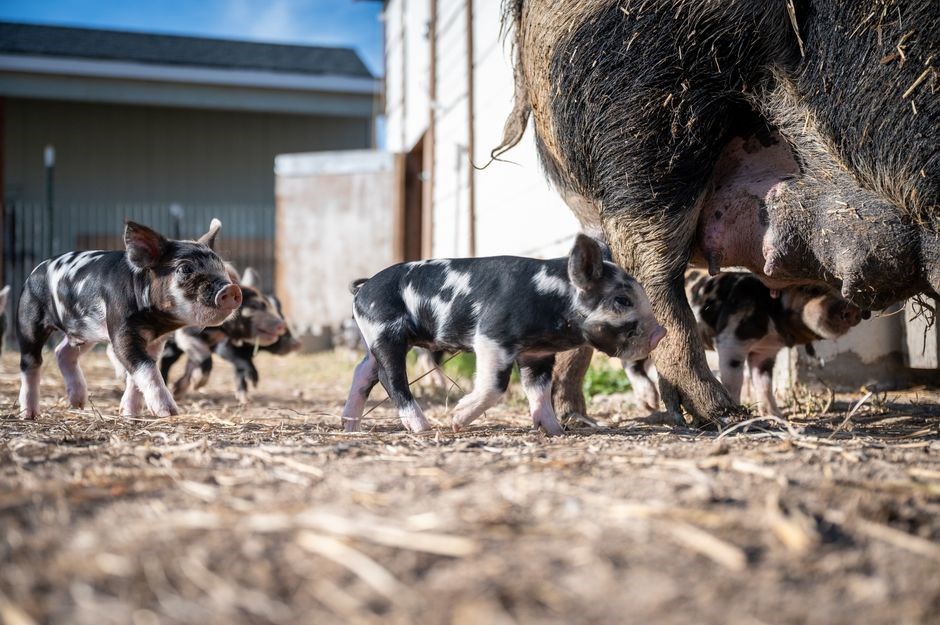
The 3 Little Pigs PDF offers a digital gateway to the classic tale‚ enabling readers to explore the story’s timeless lessons on planning‚ resilience‚ and teamwork. With interactive features‚ adjustable fonts‚ and accessible navigation‚ it serves both leisure and educational purposes. Enjoy reading :!

1;1 What is a 3 Little Pigs PDF?
A 3 Little Pigs PDF is a digital rendition of the classic children’s story‚ formatted as a Portable Document Format file. This format preserves the original layout‚ illustrations‚ and typography‚ allowing readers to view the tale exactly as it appears in printed editions. PDFs are widely supported across devices‚ making them ideal for both home and classroom use.
Key features include:
- Scalable text and images that remain crisp on any screen size.
- Interactive elements such as clickable bookmarks‚ hyperlinks to related resources‚ and embedded audio narration.
- Accessibility options like text‑to‑speech compatibility and adjustable font sizes.
- Secure encryption to protect copyrighted content when shared within educational institutions.
Because PDFs can be easily annotated‚ teachers can highlight passages‚ add margin notes‚ and embed discussion questions directly into the document. Parents can use the same file to read aloud at bedtime‚ ensuring a consistent storyline across generations. The 3 Little Pigs PDF also supports offline access‚ so the story remains available even without an internet connection.
This format also enables educators to embed quizzes‚ track reading progress‚ and share annotated versions with peers‚ fostering learning and critical thinking.
History of the 3 Little Pigs Story
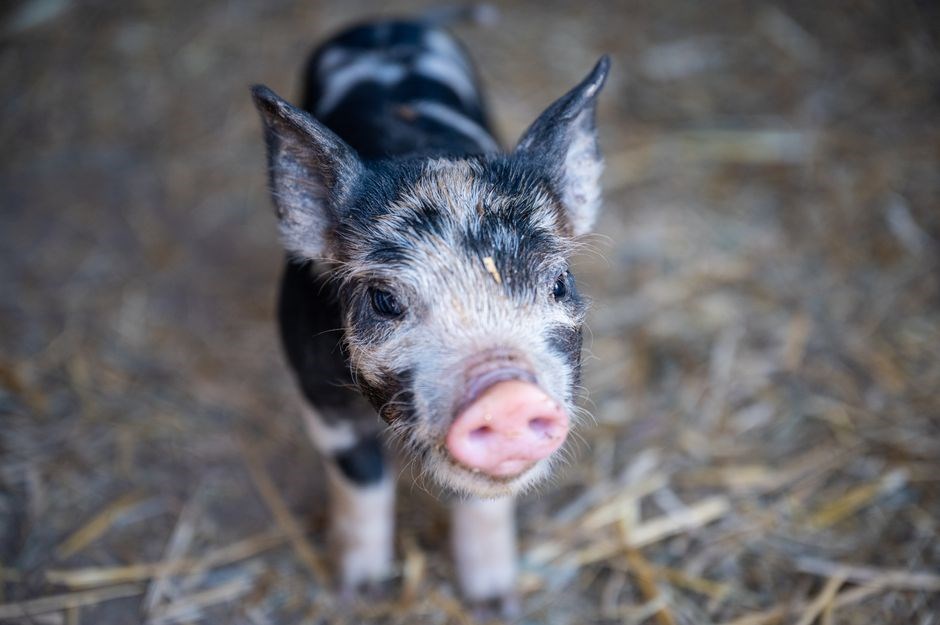
The 3 Little Pigs tale traces back to 19th‑century folklore‚ evolving through oral tradition before being published in 1883; Its core themes—planning‚ resilience‚ and teamwork—have resonated across cultures‚ inspiring countless adaptations in books‚ films‚ and now digital PDFs. Enjoy reading! :
The 3 Little Pigs story began as an oral folk tale‚ passed down through generations of storytellers. In the late 1800s‚ it was first printed in children’s books‚ capturing the imagination of readers with its simple yet powerful narrative about planning‚ resilience‚ and teamwork. The 20th century saw the tale adapted for radio‚ animation‚ and film‚ each medium adding new dimensions and broadening its reach. With the rise of personal computers and the internet in the 1990s‚ publishers began digitizing classic stories‚ recognizing the potential for interactive learning. PDFs emerged as a versatile format‚ preserving the original layout‚ typography‚ and illustrations while offering cross‑platform compatibility. For the 3 Little Pigs‚ this meant that educators could share a faithful reproduction of the original illustrations‚ and parents could download a portable‚ device‑agnostic version for on‑the‑go storytelling. Modern PDF versions often include adjustable text size‚ embedded audio narration‚ and hyperlinks to supplementary activities‚ enhancing engagement for both children and teachers. This digital transformation demonstrates how technology can democratize access to cultural treasures‚ allowing new generations to engage with timeless lessons in a format that is both familiar and innovative. By embracing the PDF format‚ educators and parents alike can preserve the story’s charm while leveraging modern technology to make reading interactive‚ accessible‚ and engaging for children of all ages‚ ensuring the tale endures in a digital age.!!!!!!!!
Popularity of 3 Little Pigs PDF Versions
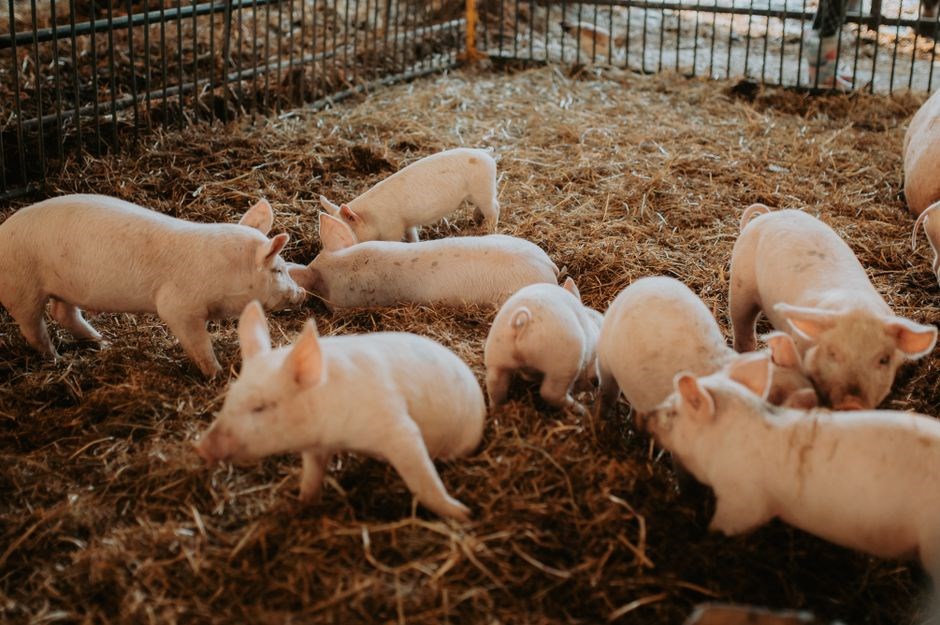
The 3 Little Pigs PDF has become a staple in classrooms and homes‚ thanks to its easy accessibility and interactive features. Parents love the convenience of downloading a ready‑made story‚ while teachers appreciate the editable format for lesson plans. It also supports options‚ making it a favorite kids.
3.1 Why Parents and Educators Choose PDFs
Parents and educators gravitate toward the 3 Little Pigs PDF for several compelling reasons. First‚ the format’s portability means the story can be read on tablets‚ laptops‚ or printed copies without sacrificing quality. The high‑resolution images remain crisp whether viewed on a 4K screen or in a school library. Second‚ PDFs allow for instant updates; publishers can release revised editions with new illustrations or language adjustments‚ ensuring the content stays fresh for each generation. Third‚ the interactive features—such as clickable word lists‚ embedded audio narration‚ and annotation tools—enable teachers to create engaging‚ multimodal lessons that cater to diverse learning styles. Fourth‚ the file’s security features protect against accidental edits‚ preserving the integrity of the original text while still allowing educators to highlight passages or add marginal notes. Finally‚ the cost‑effectiveness of digital distribution reduces the need for costly print runs‚ making it an attractive option for budget‑conscious schools and families. Together‚ the advantages create a versatile‚ user‑friendly resource that supports literacy development‚ critical thinking‚ and collaborative learning in a modern classroom setting. By leveraging the PDF’s built‑in search function‚ teachers can quickly locate key vocabulary‚ while students can annotate directly on the page‚ fostering a collaborative reading experience that blends technology with traditional storytelling techniques. This synergy boosts engagementhi.
Where to Find 3 Little Pigs PDF Online
Explore official publisher sites‚ public libraries‚ and reputable e‑book platforms for the 3 Little Pigs PDF. Many libraries offer free digital loans via OverDrive or Libby‚ while sites like Project Gutenberg host public‑domain versions. Always verify the source for quality and legality. Free access.
4.1 Official Publishers and Libraries
For those seeking reliable copies of the 3 Little Pigs PDF‚ official publishers and public libraries are the most trusted sources. Major houses like Penguin Random House‚ HarperCollins‚ and Scholastic release licensed digital editions that preserve original illustrations and formatting‚ often with interactive annotations and adjustable text size.
Public libraries provide free access through platforms such as OverDrive‚ Libby‚ and Hoopla. By registering with a local library card‚ users can download or stream the PDF to a tablet‚ e‑reader‚ or computer. Libraries also offer multilingual editions and special collections that highlight cultural variations.
Verify that the PDF is not pirated by checking copyright notices‚ publisher logos‚ and DRM presence. Official channels offer customer support and the option to purchase a physical print‚ ensuring readers support authors and illustrators;
Locate a specific edition by searching the library’s catalog with title‚ author‚ or ISBN. If the PDF is unavailable‚ request a copy so staff can procure the requested edition‚ keeping the material up to date.
Publishers often bundle educational resources like activity sheets and lesson plans with the PDF‚ downloadable alongside the story to extend learning beyond the text.
Back up the PDF on a secure device or cloud storage to prevent loss and enable sharing. Choosing official sources supports the creative community and sustains future publications.
When selecting a publisher‚ consider the edition’s publication date and whether it includes illustrations updated or translations. Some publishers release anniversary editions with bonus content such as author interviews or artwork. Libraries may also offer these special editions‚ which can be requested through the library’s interlibrary loan system if not held locally. These versions provide deeper insight into the story’s evolution and cultural impact.
Many libraries offer guides explaining how to use the PDF’s interactive features‚ ensuring that educators can fully engage with the material.
Legal and Ethical Considerations
Legal and ethical considerations revolve around copyright‚ fair use‚ and respecting authors’ rights. Always obtain PDFs from licensed sources‚ avoid sharing unlicensed copies‚ and cite properly when using the text in educational settings. Respecting these norms protects authors and ethical sharing.!!
5.1 Copyright and Free Resources
When searching for a 3 Little Pigs PDF‚ it’s essential to respect intellectual property laws. The original tale entered the public domain over a century ago‚ but modern adaptations—illustrations‚ translations‚ and supplemental materials—often carry active copyrights. Below are key guidelines and sources for obtaining legitimate‚ free or low‑cost PDFs.
- Public‑Domain Collections: Websites like Project Gutenberg‚ Internet Archive‚ and Open Library host classic editions that are free to download and share. Verify the edition’s publication date to ensure it is truly public domain.
- Creative Commons Licenses: Some contemporary retellings are released under CC‑BY or CC‑BY‑SA‚ allowing reuse with attribution. Look for the license badge or a “CC” icon on the download page.
- Educational Resource Hubs: Many school districts and libraries provide free PDFs for classroom use. Platforms such as Teachers Pay Teachers sometimes offer royalty‑free versions for educators‚ provided they comply with the platform’s terms.
- Publisher‑Sponsored Downloads: Certain publishers offer free PDFs for a limited time or as part of a promotional bundle. Sign up for newsletters or follow them on social media to catch these offers.
- Library Digital Services: OverDrive‚ Hoopla‚ and Libby give patrons access to e‑books‚ including 3 Little Pigs PDFs‚ through library accounts. These are licensed for personal‚ non‑commercial use.
Always read the fine print: even if a PDF is free‚ it may restrict printing‚ redistribution‚ or commercial use. When in doubt‚ contact the publisher or author for permission. By following these steps‚ you can enjoy the story responsibly while supporting creators and educators. These tools help educators tailor lessons to individual learning needs and creative activities daily.
Tips for Using 3 Little Pigs PDF in Teaching
Use the 3 Little Pigs PDF to spark discussion on strategy‚ risk‚ and teamwork. Highlight the pigs’ building choices‚ then let students compare outcomes. Add interactive quizzes‚ or have them rewrite the ending‚ fostering critical thinking and creative writingStudents annotate margins for vocabulary in
6.1 Interactive Reading and Activities
Interactive reading transforms the 3 Little Pigs PDF into a dynamic classroom tool. Begin by assigning roles: one student narrates‚ another acts as the wolf‚ and a third builds the houses using virtual blocks. Use the PDF’s highlight feature to emphasize key decisions‚ then pause for discussion. Students can annotate margins with questions about risk assessment and problem‑solving‚ encouraging them to think critically about each pig’s strategy.
Next‚ incorporate a “Build‑Your‑Own‑House” activity. Provide a blank PDF template and let students design their own structures‚ choosing materials and explaining their choices. They can then compare their designs to the original story’s outcomes‚ debating which construction methods best protect against the wolf’s huff and puff. This promotes STEM thinking and engineering concepts.
For a creative twist‚ have students rewrite the ending in a modern setting‚ such as a digital city or space station. They can use the PDF’s text‑editing tools to insert new dialogue‚ then share their versions in a class gallery. Finally‚ conclude with a reflective quiz that asks students to identify the moral lessons and apply them to real‑world scenarios‚ such as planning a school event or preparing for a community project.
To assess comprehension‚ use the PDF’s built‑in quiz function. Create multiple‑choice questions that target vocabulary‚ plot details‚ and inference skills. Students can receive instant feedback‚ allowing the teacher to adjust pacing. Additionally‚ incorporate a peer‑review segment where learners critique each other’s annotated PDFs‚ fostering collaborative learning.
Remember to save all annotated PDFs to a shared drive‚ ensuring easy access for future lessons and parent updates. Encourage students to export their annotated PDFs as PDFs or images for presentation.
and Future Trends
As PDFs evolve‚ interactive layers‚ AI annotations‚ and storytelling will deepen engagement. Educators will harness reading paths‚ real‑time feedback‚ and cross‑platform accessibility‚ ensuring the 3 Little Pigs tale remains a timeless‚ tech‑savvy learning asset.
7.1 The Role of PDFs in Storytelling Education
PDFs have become a cornerstone of modern storytelling education‚ offering educators a versatile platform to blend narrative‚ interactivity‚ and accessibility. The 3 Little Pigs PDF exemplifies this trend‚ providing a rich‚ multimedia experience that transcends traditional print.
First‚ PDFs support dynamic annotations—students can highlight passages‚ add comments‚ and link to external resources‚ fostering deeper engagement. Second‚ the format’s cross‑device compatibility ensures that lessons remain consistent whether viewed on a tablet‚ laptop‚ or smartboard.
- Interactive reading paths allow learners to choose alternate story branches‚ reinforcing critical thinking.
- Embedded audio narration supports auditory learners and aids pronunciation practice.
- Accessibility features such as adjustable font sizes and screen‑reader compatibility make the story inclusive.
Moreover‚ PDFs enable real‑time collaboration. Teachers can annotate live during virtual sessions‚ while students contribute their own illustrations or reflections‚ creating a shared narrative space.
In the future‚ AI‑powered PDFs may offer personalized storylines‚ adaptive difficulty levels‚ and instant feedback on comprehension‚ positioning the 3 Little Pigs PDF as a dynamic learning tool that evolves with each reader’s progress.
The PDF format also supports embedded quizzes‚ allowing students to test comprehension immediately after reading. By integrating short multiple-choice questions‚ the story becomes an interactive learning module that reinforces key concepts while keeping engagement high. This seamless blend of narrative and assessment is a hallmark of modern digital education. and teachers.!!.