
Bettina Love’s groundbreaking work, including the readily available “We Want to Do More Than Survive” PDF, urgently calls for abolitionist teaching practices․
Understanding the Context of Survival
“We Want to Do More Than Survive,” accessible as a PDF, powerfully frames survival within the brutal realities faced by Black and Brown students in contemporary educational landscapes․ Love meticulously details how schools, often unintentionally, perpetuate cycles of racial violence and oppression, demanding a shift in pedagogical approaches․
The context isn’t merely academic underperformance, but a systemic response to historical and ongoing trauma․ Understanding this requires acknowledging the school-to-prison pipeline and the ways educational institutions can function as sites of control rather than liberation․ The PDF emphasizes that true survival necessitates dismantling these oppressive structures and fostering environments where students can thrive, not just endure․ It’s about recognizing the inherent worth and joy within these communities․
The Limitations of Traditional Educational Approaches
“We Want to Do More Than Survive,” in PDF format, sharply critiques conventional educational methods, arguing they often fail to address the specific needs of marginalized students․ These approaches, frequently rooted in deficit-based thinking, inadvertently reinforce systemic inequalities and ignore the impact of racial trauma․
Love contends that standardized testing, rigid curricula, and punitive discipline policies disproportionately harm Black and Brown youth, hindering their potential rather than nurturing it․ The PDF reveals how a focus on individual “grit” overlooks the structural barriers students face․ True educational freedom, she argues, demands a radical departure from these limiting practices, prioritizing liberation and justice over mere academic achievement․
Defining Abolitionist Teaching
As detailed in the “We Want to Do More Than Survive” PDF, abolitionist teaching transcends traditional pedagogy, functioning as a political education rooted in the struggle for liberation․ It’s not simply about diversifying curriculum, but fundamentally challenging the structures of oppression within schools and society․
Love defines it as a framework that centers the experiences and brilliance of Black and Brown students, fostering critical consciousness and empowering them to become agents of change․ The PDF emphasizes that abolitionist teaching requires educators to confront their own biases and actively dismantle racist systems, creating spaces where students can thrive and envision a more just future․

CHAPTER TWO: Educational Survival ‒ The Current State of Affairs
The “We Want to Do More Than Survive” PDF reveals a stark reality: schools often perpetuate racial violence and systemic oppression, hindering true educational freedom․
The School-to-Prison Pipeline
Bettina Love’s “We Want to Do More Than Survive” PDF meticulously details how contemporary educational systems contribute to the devastating school-to-prison pipeline․ The text argues that seemingly neutral policies – zero-tolerance discipline, increased policing in schools, and standardized testing – disproportionately impact students of color, pushing them towards incarceration rather than graduation․
Love connects these practices to a historical legacy of racial oppression, demonstrating how schools often function as sites of social control rather than liberation․ The PDF emphasizes that this isn’t accidental; it’s a systemic issue rooted in anti-Blackness and other forms of racial bias․ She challenges educators to recognize their role in dismantling this pipeline by adopting abolitionist teaching methods and advocating for restorative justice practices․
The Impact of Racial Trauma in Schools
Bettina Love’s “We Want to Do More Than Survive” PDF powerfully addresses the often-unacknowledged reality of racial trauma experienced by Black and Brown students within educational settings․ The text explains how historical and ongoing racial violence creates deep wounds that manifest as behavioral issues, academic struggles, and emotional distress․
Love argues that traditional school environments frequently re-traumatize students by ignoring or dismissing their experiences, perpetuating deficit narratives, and failing to provide culturally responsive support․ The PDF calls for educators to become trauma-informed, creating safe and affirming spaces where students can heal and thrive, recognizing that addressing racial trauma is fundamental to educational justice․
The Role of Systemic Oppression in Educational Outcomes
Bettina Love’s “We Want to Do More Than Survive” PDF meticulously details how systemic oppression – rooted in historical and contemporary racism – profoundly shapes educational outcomes for marginalized students․ The work asserts that disparities in achievement aren’t due to individual failings, but rather the deliberate consequences of inequitable policies and practices․
Love’s analysis, as presented in the PDF, exposes how school funding formulas, biased curricula, and discriminatory disciplinary measures contribute to the school-to-prison pipeline․ She advocates for dismantling these oppressive systems and replacing them with abolitionist practices that center the needs and liberation of Black and Brown communities, fostering true educational equity․

CHAPTER THREE: Mattering ⏤ Centering Black and Brown Joy
“We Want to Do More Than Survive” PDF emphasizes affirming Black and Brown students’ identities, validating their experiences, and cultivating belonging within schools․
The Importance of Affirmation and Validation
Drawing from Bettina Love’s powerful framework, as detailed in “We Want to Do More Than Survive” PDF, affirmation and validation are not merely supportive gestures, but essential components of educational liberation․ The text argues that historically, schools have often functioned as sites of erasure for Black and Brown students, denying their cultural wealth and lived realities․
This denial manifests as deficit-based narratives, which pathologize students rather than addressing systemic inequities․ Love stresses the critical need for educators to actively counter these narratives by recognizing and celebrating the inherent goodness and brilliance within each student․ Genuine affirmation requires acknowledging the impact of racial trauma and creating spaces where students feel seen, heard, and valued for who they are—in all their complexity․ Validation extends beyond acknowledging identity; it involves centering student voices and experiences in the curriculum and pedagogical practices․
Cultivating a Sense of Belonging
Bettina Love’s “We Want to Do More Than Survive” PDF emphasizes that fostering a genuine sense of belonging is paramount to dismantling oppressive educational structures․ Too often, schools inadvertently create environments where Black and Brown students feel marginalized or unwelcome, hindering their academic and emotional growth․
Cultivating belonging necessitates intentionally building relationships based on trust, respect, and understanding․ Educators must actively work to create inclusive classrooms where diverse perspectives are valued and celebrated․ This involves challenging biases, disrupting exclusionary practices, and creating opportunities for students to connect with one another and with their cultural heritage․ Love advocates for pedagogical approaches that center student agency and empower them to shape their learning experiences, ultimately fostering a community where everyone feels safe, supported, and empowered to thrive․
Countering Deficit Narratives
Bettina Love’s “We Want to Do More Than Survive” PDF powerfully challenges the pervasive deficit narratives that often frame Black and Brown students․ These narratives, rooted in systemic racism, falsely portray students as lacking in intelligence, motivation, or potential, justifying inequitable treatment and limited opportunities․
Love argues that educators must actively dismantle these harmful beliefs by recognizing and celebrating the strengths, resilience, and cultural wealth that students bring to the classroom․ This requires shifting from a focus on what students lack to a focus on what they have – their lived experiences, their communities, and their inherent brilliance․ By centering student assets and challenging dominant narratives, educators can create more equitable and affirming learning environments․

CHAPTER FOUR: Grit, Zest, and Racism ‒ Deconstructing Popular Educational Concepts
“We Want to Do More Than Survive” PDF critiques the overemphasis on individual grit, revealing how it often obscures systemic racism’s impact on student success․

Critiquing the Emphasis on Individual Resilience
Bettina Love’s “We Want to Do More Than Survive” PDF powerfully challenges the pervasive educational focus on individual resilience as a primary solution to disparities․ The text argues that consistently framing success as a matter of personal “grit” or “zest” conveniently ignores the deeply entrenched systemic oppression impacting Black and Brown students․
Love contends that this emphasis inadvertently blames students for failing within a system designed to disadvantage them․ The PDF reveals how celebrating individual triumph obscures the necessity of dismantling racist structures within schools and broader society․ It’s not about lacking resilience, but about facing insurmountable barriers․
Furthermore, the book proposes that true liberation requires addressing the root causes of disadvantage, not simply encouraging students to overcome them individually․ This critique is central to Love’s abolitionist teaching framework․
Addressing the Root Causes of Disadvantage
As detailed in Bettina Love’s “We Want to Do More Than Survive” PDF, a core tenet of abolitionist teaching is directly confronting the systemic roots of educational inequity․ The work moves beyond individual interventions, demanding a critical examination of racial violence and oppression embedded within school structures and policies․
Love argues that educators must actively dismantle these systems, rather than simply attempting to mitigate their effects․ The PDF emphasizes the importance of understanding historical context and the ongoing legacy of racism in shaping educational outcomes․
This involves challenging deficit narratives, advocating for equitable resource allocation, and fostering critical consciousness among students and educators alike․ Ultimately, addressing disadvantage necessitates a radical shift towards justice and liberation․
The Interplay of Trauma and Academic Performance
Bettina Love’s “We Want to Do More Than Survive” PDF powerfully illustrates the profound impact of racial trauma on students’ ability to thrive academically․ The text details how systemic oppression and violence create environments of chronic stress and fear, hindering cognitive development and learning․
Love argues that traditional educational approaches often fail to recognize or address this trauma, instead focusing on superficial measures of resilience․ The PDF advocates for trauma-informed pedagogy that prioritizes safety, healing, and culturally responsive support․
Acknowledging the link between trauma and performance is crucial for creating truly equitable and liberating learning spaces․

CHAPTER FIVE: Abolitionist Teaching ⏤ Practical Strategies for Educators
The “We Want to Do More Than Survive” PDF champions curriculum as liberation, culturally responsive classrooms, and fostering critical consciousness for educators․
Curriculum as a Tool for Liberation
Bettina Love’s influential work, accessible through the “We Want to Do More Than Survive” PDF, fundamentally re-envisions curriculum․ It’s not merely about content delivery, but a potent instrument for dismantling oppressive systems and fostering liberation․ The text advocates for moving beyond traditional, often Eurocentric, narratives and centering the experiences, histories, and brilliance of Black and Brown communities․
This involves actively incorporating radical civic initiatives and movements into learning, empowering students to analyze and challenge systemic injustices․ Love urges educators to utilize curriculum to cultivate critical consciousness, enabling students to understand their roles within broader societal structures and to become agents of change․ The PDF emphasizes that a truly liberating curriculum affirms students’ identities and prepares them to actively participate in building a more just and equitable world․
Creating Culturally Responsive Classrooms
Drawing from Bettina Love’s insights in “We Want to Do More Than Survive,” readily available as a PDF, culturally responsive classrooms are paramount․ These spaces move beyond superficial “diversity” and actively affirm the identities, experiences, and knowledge of Black and Brown students․ This requires educators to deeply understand the historical and ongoing impacts of racial trauma and systemic oppression․
Love’s work stresses the importance of validating students’ cultural backgrounds, incorporating their lived realities into learning, and fostering a sense of belonging․ It’s about creating environments where students feel seen, heard, and valued for who they are, not despite it․ The PDF advocates for dismantling deficit narratives and centering the joy and resilience within communities of color․
Fostering Critical Consciousness
Bettina Love’s “We Want to Do More Than Survive” – accessible as a PDF – champions fostering critical consciousness in students․ This isn’t simply about awareness; it’s about equipping young people with the tools to analyze power structures, understand systemic oppression, and challenge injustice․ The text urges educators to move beyond surface-level discussions and delve into the root causes of inequality․
Love advocates for curriculum that centers racial violence and encourages radical civic initiatives․ Students must learn to question dominant narratives, develop their own informed perspectives, and become agents of change within their communities․ The PDF emphasizes that true liberation requires a deep understanding of history and a commitment to collective action․

CHAPTER SIX: Theory Over Gimmicks ‒ Building a Sustainable Framework
Love’s “We Want to Do More Than Survive” PDF warns against superficial diversity efforts, grounding educational justice in robust critical race theory principles․
The Dangers of Superficial Diversity Initiatives
Bettina Love’s “We Want to Do More Than Survive” PDF powerfully critiques the prevalent tendency within educational institutions to prioritize symbolic gestures over substantive change․ The text exposes how diversity initiatives, lacking a foundation in critical theory and abolitionist pedagogy, often serve to mask ongoing systemic inequities․ These initiatives frequently focus on representation without addressing the root causes of racial oppression, ultimately reinforcing existing power structures․
Love argues that such superficial approaches can be deeply harmful, creating a false sense of progress while simultaneously silencing the voices and experiences of marginalized students․ The book emphasizes that true educational justice demands a dismantling of oppressive systems, not merely their cosmetic alteration․ It’s a call to move beyond “diversity” as a checkbox and embrace a transformative vision of liberation․
Grounding Practice in Critical Race Theory
Bettina Love’s “We Want to Do More Than Survive” PDF champions Critical Race Theory (CRT) as an essential framework for educators committed to dismantling systemic racism․ The book doesn’t present CRT as merely an academic concept, but as a vital tool for understanding how race and racism operate within educational institutions and broader society․
Love argues that educators must move beyond colorblindness and actively interrogate the ways in which racial hierarchies are perpetuated․ Grounding practice in CRT necessitates acknowledging the historical and ongoing impacts of racial violence and oppression, and centering the experiences of those most marginalized․ This approach, detailed within the PDF, is crucial for fostering genuine educational justice and liberation․
Developing a Long-Term Vision for Educational Justice
Bettina Love’s “We Want to Do More Than Survive” PDF stresses that true educational justice isn’t achieved through superficial initiatives, but requires a sustained, long-term commitment․ The book urges educators to envision a future where schools actively dismantle oppressive systems and cultivate liberation for all students, particularly Black and Brown youth․
This vision demands a shift from simply addressing symptoms of inequality to tackling root causes․ Love advocates for radical civic initiatives and movements, empowering students to become agents of change․ The PDF emphasizes the importance of collective action and building solidarity to create lasting, transformative change within and beyond the classroom․
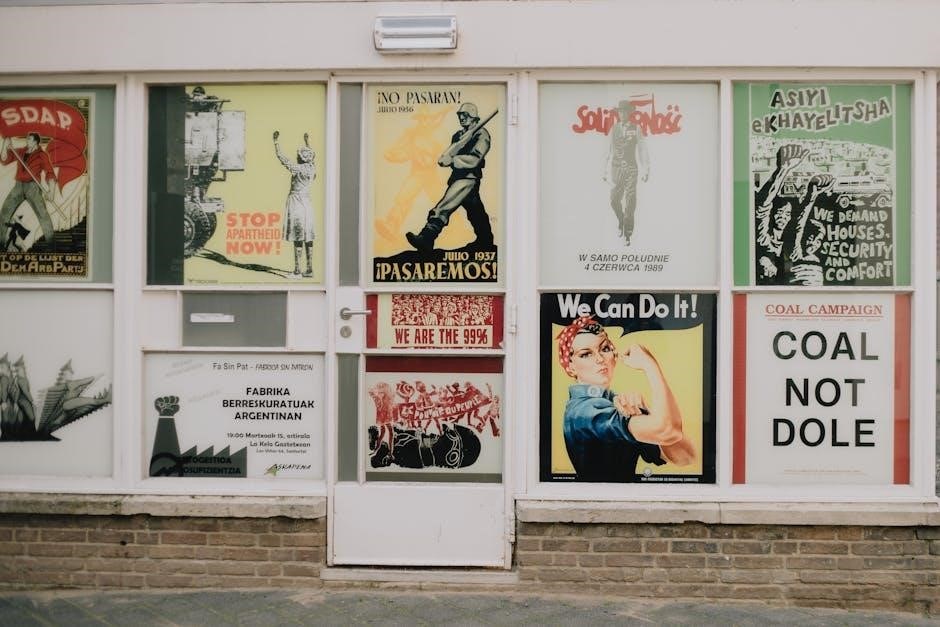
CHAPTER SEVEN: We Gon Be Alright, but That Aint Alright ⏤ Acknowledging Ongoing Struggles
Despite progress, systemic racism persists, as highlighted in the “We Want to Do More Than Survive” PDF, demanding continued vigilance and collective action․
The Persistence of Systemic Racism
Bettina Love’s “We Want to Do More Than Survive” PDF powerfully illustrates that simply acknowledging racism isn’t enough; systemic oppression actively continues within educational institutions․ The text details how racial violence and inequity are not historical relics, but ongoing realities for many students of color․
These systems manifest in biased curricula, disproportionate disciplinary actions, and a lack of culturally relevant pedagogy․ The book argues that these aren’t isolated incidents, but rather features of a system designed to marginalize and oppress․ Love emphasizes that true liberation requires dismantling these structures, not merely reforming them․ The PDF serves as a crucial resource for understanding the deeply ingrained nature of systemic racism and its impact on educational outcomes, urging educators to confront these realities head-on․
The Need for Collective Action

Bettina Love’s “We Want to Do More Than Survive” PDF stresses that dismantling oppressive systems demands collective action, moving beyond individual efforts․ The book advocates for educators to engage in radical civic initiatives and movements alongside their students, fostering a sense of shared responsibility for change․
Love argues that true educational freedom isn’t achieved through isolated acts of kindness, but through organized resistance and solidarity․ This requires building coalitions with communities, challenging policies, and amplifying the voices of those most impacted by injustice․ The PDF inspires a call to action, urging educators to become active participants in the fight for educational justice, recognizing that lasting change necessitates a unified front․
Maintaining Hope and Resilience in the Face of Adversity
Despite confronting the harsh realities of systemic racism detailed in “We Want to Do More Than Survive” PDF, Bettina Love emphasizes the crucial need for hope and resilience․ The book doesn’t shy away from acknowledging ongoing struggles, but it simultaneously affirms the inherent goodness and joy within Black and Brown communities․
Love’s work encourages educators to cultivate spaces of affirmation and validation, countering deficit narratives and fostering a sense of belonging․ Maintaining resilience isn’t about ignoring trauma, but about building the capacity to navigate it collectively․ The PDF serves as a powerful reminder that even amidst adversity, the pursuit of educational freedom remains a vital and worthwhile endeavor․